Timing for Replacing Acidic Ionizer, Three Key Criteria Revealed!
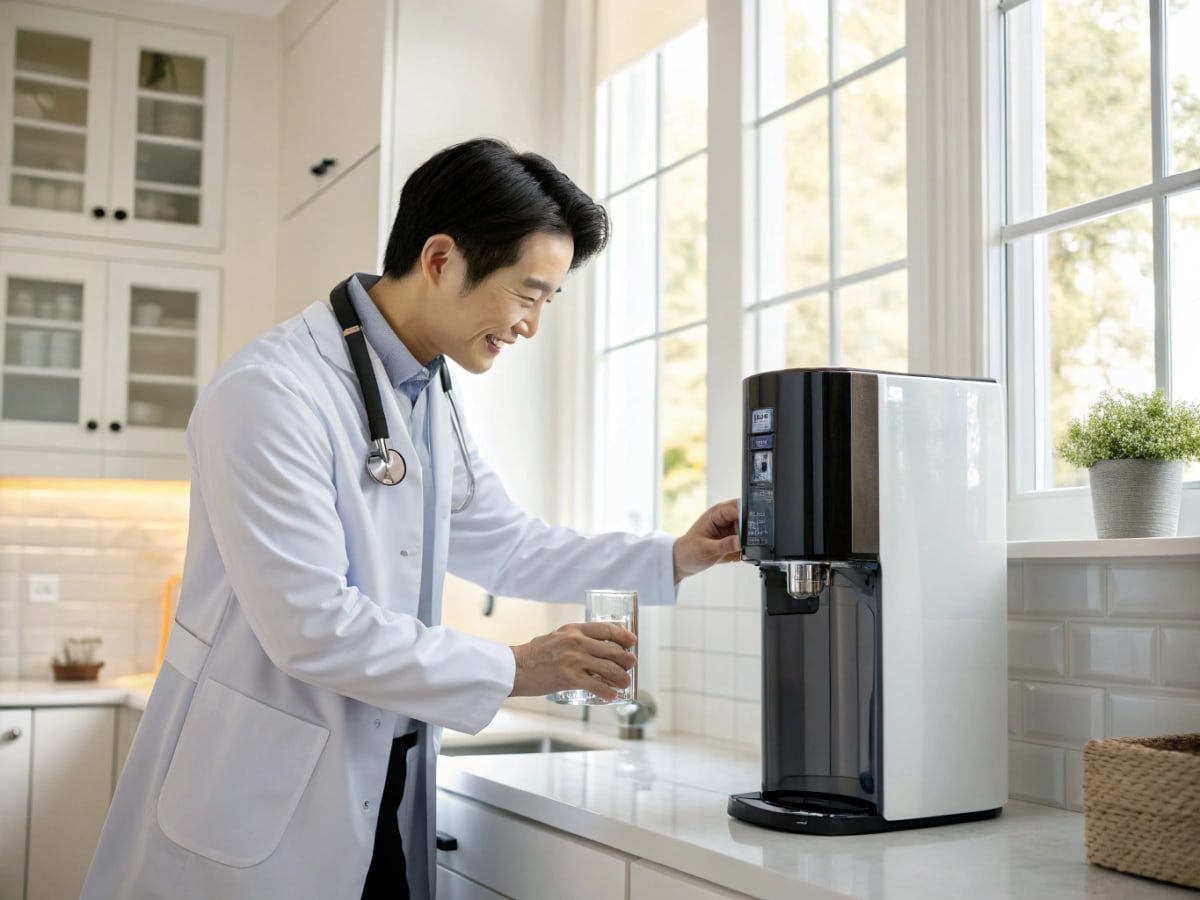
Hello, I am Water Expert Mediquaman!
Have you ever experienced different tasting water from your purifier or felt uneasy because you kept missing the filter replacement schedule? If you're using an acidic ionizer, you're likely aware that it requires more delicate maintenance than a regular purifier. Accurately knowing the replacement timing of your purifier is crucial for continuously drinking clean and healthy water.
Are you currently experiencing these concerns?
"Our home purifier seems very old, when should we replace it?"
"I've replaced the filter, but is there a time to replace the purifier itself as well?"
"I heard that acidic ionizers are more challenging to maintain, how are they different?"
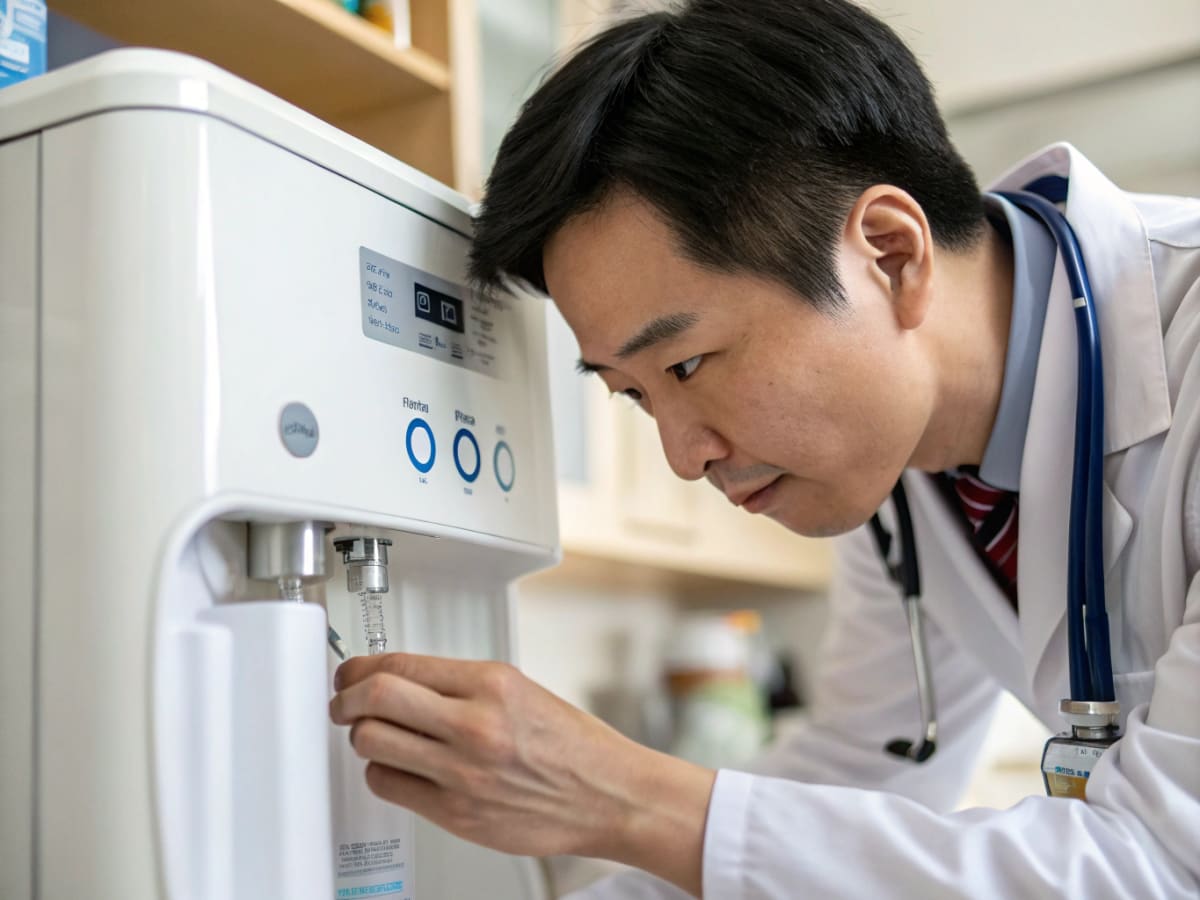
Many people have these questions and harbor vague anxieties about purifier management. Even if it appears fine on the outside, the aging or contamination of internal components is not easily visible. Acidic ionizers, which adjust the water's pH balance, require more meticulous inspection. Changes in water taste or reduced output may indicate important replacement signals from your purifier.
Wise Criteria to Never Miss Purifier Replacement Timing
Purifier replacement timing doesn't simply mean filter replacement. You must consider various factors such as the overall performance degradation of the main unit, hygiene status, and especially for acidic ionizers, the state of the electrode plates.
1. Change in Water Taste and Smell
The most intuitive signal is a change in water taste and smell. If the purified water has a musty odor, or if you detect unpleasant tastes such as earthy or metallic, the filter may be expired, or internal contamination may have begun. No matter how good a purifier is, over time, the filtration function of the filter diminishes, failing to properly remove harmful substances. If these symptoms appear, you should consider the replacement timing without delay or seek professional inspection. Since water makes up 70% of our body, its quality is directly linked to health.

2. Change in Water Flow and Foreign Substances
If the purified water flows weakly or the output is significantly reduced, this is also an important warning signal. The filter may be clogged with foreign substances, or scale may have built up in the internal pipes hindering the water flow. Particular caution is required for acidic ionizers since high mineral concentrations in the water can increase the likelihood of scale formation. If you observe minute sediments or turbidity that are difficult to identify visually, the contamination level inside the purifier might be severe, and immediate inspection and replacement should be considered.
3. Core Management of Acidic Ionizer Electrode Plates
Unlike general purifiers, acidic ionizers generate alkaline and acidic water through electrolysis of water using a vital component called an electrolytic cell. Mineral deposits may accumulate on the electrode plates inside this cell, which can reduce electrolysis efficiency, preventing stable production of the desired pH water. If the acidic ionizer fails to operate properly at the pH level used or produces unstable pH water, you should suspect performance degradation of the electrode plates. Since electrode plates are challenging to replace, seeking professional inspection is advisable if there is significant performance degradation.
Mediquaman's Smart Purifier Management Tips
Regular maintenance is essential to extend the lifespan of your purifier and to always drink clean water.
- Regular Filter Replacement: This is a basic yet crucial management task. Rigorously follow the manufacturer's recommended schedule for filter replacement.
- Cleaning of Exterior and Outlet: The exterior of the purifier and the water outlet are prone to bacterial growth. Clean them with a cloth at least once a week.
- Dedicated Management for Acidic Ionizers: For acidic ionizers, it's crucial to adhere to the manufacturer's recommended cleaning cycle and methods for the electrolytic cell. Regular cleaning helps prevent scale formation on the electrode plates and maintains ion water generation performance.
Frequently Asked Questions (FAQ)
"Q. Isn't it enough to use the purifier for a long time just by replacing the filter?"
"A. Filter replacement is basic maintenance, but internal pipes, valves, and especially electrode plates of acidic ionizers, can degrade or become contaminated over time. The internal environment of the purifier is humid and enclosed, making it susceptible to bacterial growth. If used for more than five years, it's wise to inspect the condition of the main unit."
"Q. What should I particularly pay attention to concerning acidic ionizers?"
"A. Given their function to electrolyze water, acidic ionizers are prone to mineral scale accumulation on the electrodes. Regular cleaning and professional inspection are needed if ion water generation ability decreases or pH control is inadequate."
Purifiers, once installed, are used for a long time, but maintaining performance is difficult without regular maintenance. Since they are crucial devices responsible for our family's health, it's essential to meticulously inspect the condition and wisely decide on the replacement timing and maintenance.
For those who might overlook the purifier's condition, we provided guidance on the replacement timing and maintenance standards for acidic ionizers.
Particular attention is required as the performance degradation of the electrode plates directly influences water quality.
If you need precise management tips or consultation on replacement timing, please contact us.


Comments
Post a Comment